
The “Cold Pressed” Myth: Is Your Olive Oil Label Just Marketing Fluff?
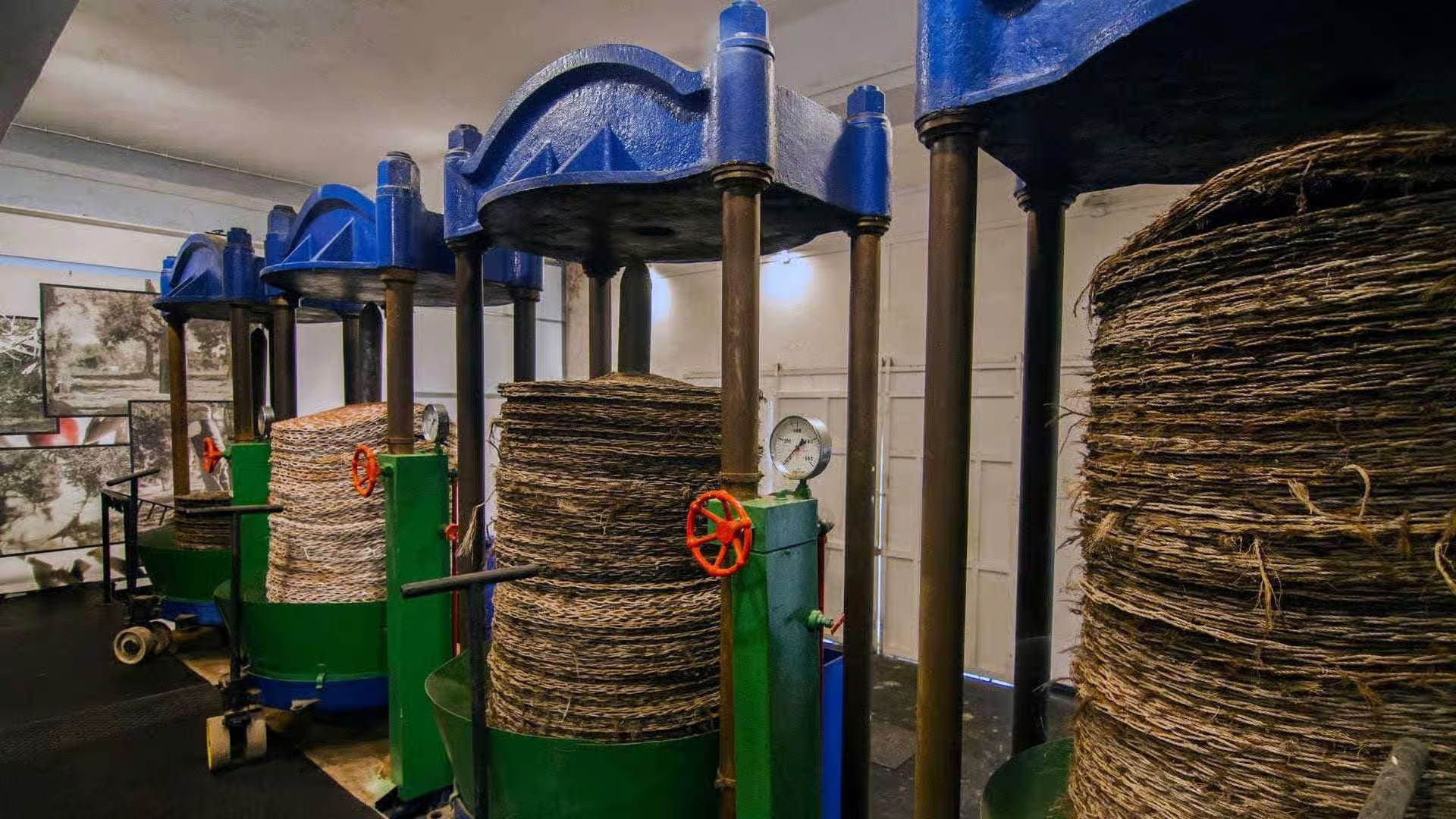
If you’ve ever browsed the olive oil aisle, you’ve seen them: the prestigious-sounding labels boasting “First Cold Pressed” or “Cold Extraction.” They evoke images of rustic wooden presses and ancient traditions.
But here is a refreshing dose of reality: in the modern world of olive oil production, these terms are often more about marketing than actual manufacturing.
From Ancient Presses to Modern Centrifuges
To understand why these terms are outdated, we have to look back at how oil used to be made.
- The “First Press”: Until the mid-20th century, olives were crushed and put into hydraulic presses. The very first squeeze yielded the highest quality oil.
- The Heat Factor: To get even more oil out of the leftover paste, producers would add boiling water and press it a second time. This heat destroyed the flavors and healthy polyphenols, resulting in a low-grade oil known as lampante.
Back then, “First Cold Pressed” was a vital guarantee of quality. Today? The vast majority of Extra Virgin Olive Oil isn’t “pressed” at all.
How Modern Oil is Actually Made
High-quality olive oil is now produced using high-tech centrifuges.
- Crushing: Olives are ground into a paste using metal crushers.
- Malaxation: The paste is slowly stirred to allow oil droplets to gather.
- Separation: A centrifuge spins the paste at high speeds to separate the oil from the water and solids.
During this entire process, the temperature is strictly monitored. To be certified as “Extra Virgin,” the oil must be extracted at temperatures below 27°C (80.6°F). If it gets hotter, it loses the chemical and sensory qualities required for that top-tier rating.
The Reality Check: Since all Extra Virgin Olive Oil is required by law to be produced at low temperatures, labeling it “Cold Pressed” is like labeling a bottle of water “Wet.” It’s a redundant term used to make the product seem more “premium.”
What Do the Labels Actually Mean Today?
While the terms are largely decorative, the European Union has created legal definitions to protect traditional methods:
- “First Cold Pressed”: Reserved only for oils obtained from a first mechanical pressing using traditional hydraulic presses.
- “Cold Extraction”: Used for oils obtained via percolation or centrifugation at temperatures below 27°C.
Outside of Europe, regulations are much looser, meaning these phrases can be slapped onto almost any bottle regardless of how it was made.
How to Find the Real Deal
If “Cold Pressed” is just a buzzword, what should you look for instead?
- The “Extra Virgin” Grade: This is the only term that guarantees a specific chemical and sensory standard.
- The Harvest Date: Freshness is everything. Look for oil harvested within the last 12–18 months.
- Dark Glass Bottles: Light and heat are the enemies of olive oil. Avoid clear plastic or glass if you want the nutrients to stay intact.