
Understanding Olive Oil: From “Extra Virgin” to “Refined”
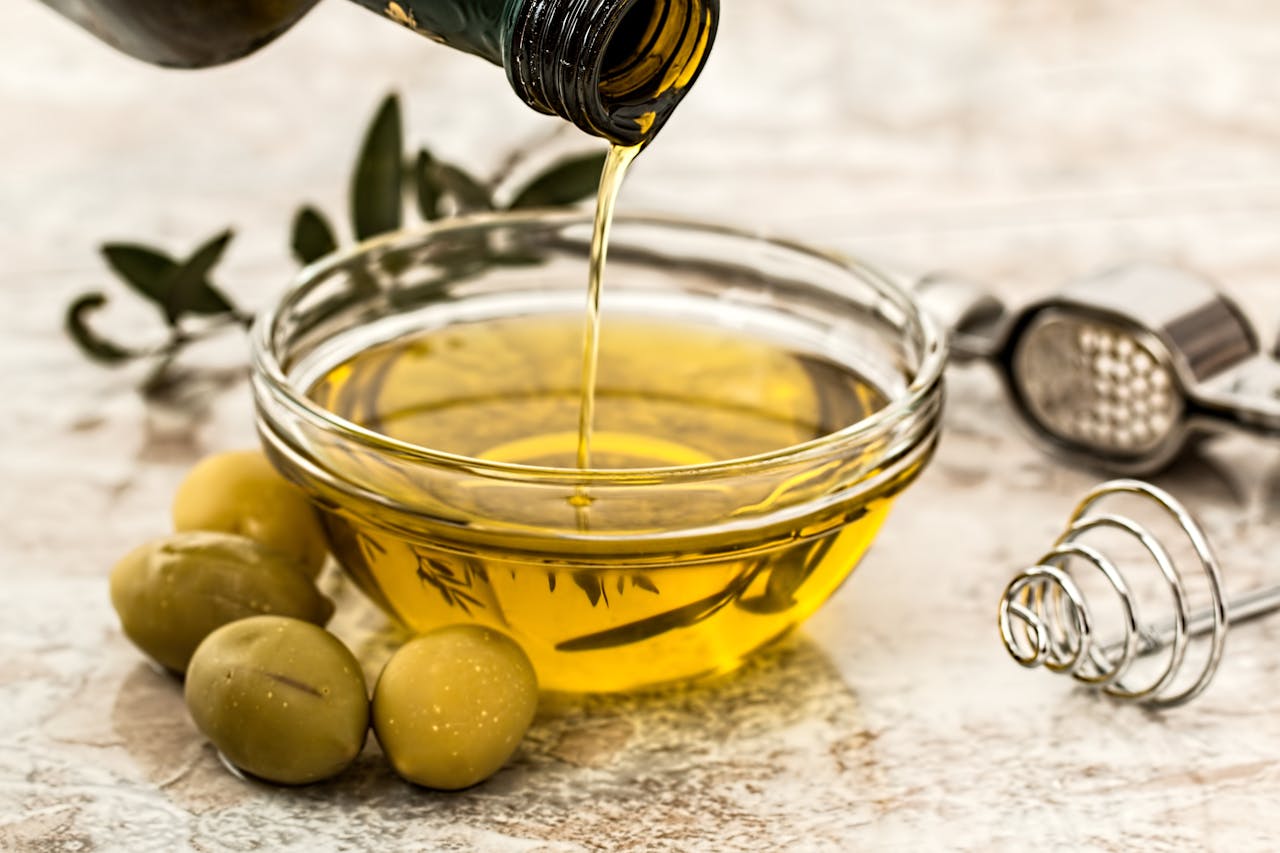
Choosing the right olive oil can feel like a daunting task. Between the elegant labels and the varying price points, how do you know what you’re actually buying?
The categorization of olive oil isn’t a modern invention; even the Ancient Romans had five distinct grades based on fruit maturity and harvest methods.
1. The “Virgin” Family: Nature’s Juice
The term “Virgin Olive Oil” is an umbrella category. It refers to oil extracted solely by mechanical means—think of it as freshly squeezed fruit juice. No chemicals or heat treatments are allowed.
Within this family, there are three subcategories based on chemical analysis and sensory (tasting) tests:
- Extra Virgin Olive Oil (EVOO): This is the gold standard. It must have zero sensory defects and a noticeable “fruitiness.” It is the highest quality in terms of both flavor and nutrients.
- Virgin Olive Oil: A step below EVOO. It may have slight sensory flaws, but it must still retain a fruity character.
- Lampante (Defective) Oil: This is virgin oil with intense defects and no fruitiness. In ancient times, it was used as fuel for lamps (hence the name). Today, it is not fit for consumption until it undergoes industrial processing.
2. What is “Refined” Olive Oil?
Don’t let the sophisticated name fool you. Refined olive oil is actually Lampante oil that has been chemically treated to remove unpleasant odors, tastes, and high acidity.
While the “refining” process makes it edible, it also strips away the natural antioxidants and flavors found in virgin oils. Usually, what you see on supermarket shelves labeled simply as “Olive Oil” is a blend of refined oil and a small (unspecified) amount of virgin oil to add a hint of color and scent.
3. Pomace Oil: The Final Extraction
Pomace oil is derived from the leftover ground pits and flesh of the olives after the first pressing. It requires special chemical extraction to retrieve the remaining oil. Like refined oil, it is often blended with a bit of virgin oil before being sold.
Which One Should You Use?
To get the most out of your olive oil, match the grade to your cooking method:
| Category | Best Use | Why? |
| Extra Virgin | Raw (Salads, Finishing) | Preserves delicate aromas and high nutritional value. |
| Virgin / “Olive Oil” | Cooking & Sautéing | More affordable for daily heat-based recipes. |
| Pomace Oil | Deep Frying | High smoke point and very cost-effective for large quantities. |
The Bottom Line: If you are eating it raw, always reach for the Extra Virgin. Your taste buds—and your heart—will thank you.